
Gold Certificate Verification: How to Check a Certificate Is Real Before You Pay
A gold certificate is a document, and anyone with a laptop can make a document. That single fact explains why certificate fraud keeps showing up in gold deals. Buyers see a polished PDF with a logo and a serial number, feel reassured, and send the money. The gold that arrives, if any arrives, does not match the paper. This guide will tell you how to verify a gold assay certificate verification: or certificate of origin before you pay
This guide shows you how to verify a gold certificate before you pay. It covers the two documents most gold deals depend on, the checks that catch most forgeries, and the moments when no certificate can replace testing the gold yourself.
The Two Certificates Behind Most Gold Deals
Five Checks for an Assay Certificate
Contact the lab yourself. Find the laboratory's phone number or email through its official website or an independent directory. Never use the contact details printed on the certificate, because a forger prints their own number there. Ask the lab to confirm that it issued a certificate with that number, date, and result.
Check the lab's accreditation. Reputable assay labs hold accreditation to ISO/IEC 17025, the international standard for testing laboratories. Look up the lab in the accreditation body's public directory and confirm that its scope covers gold assay. A lab without accreditation is not automatically fake, but you should test the gold somewhere else.
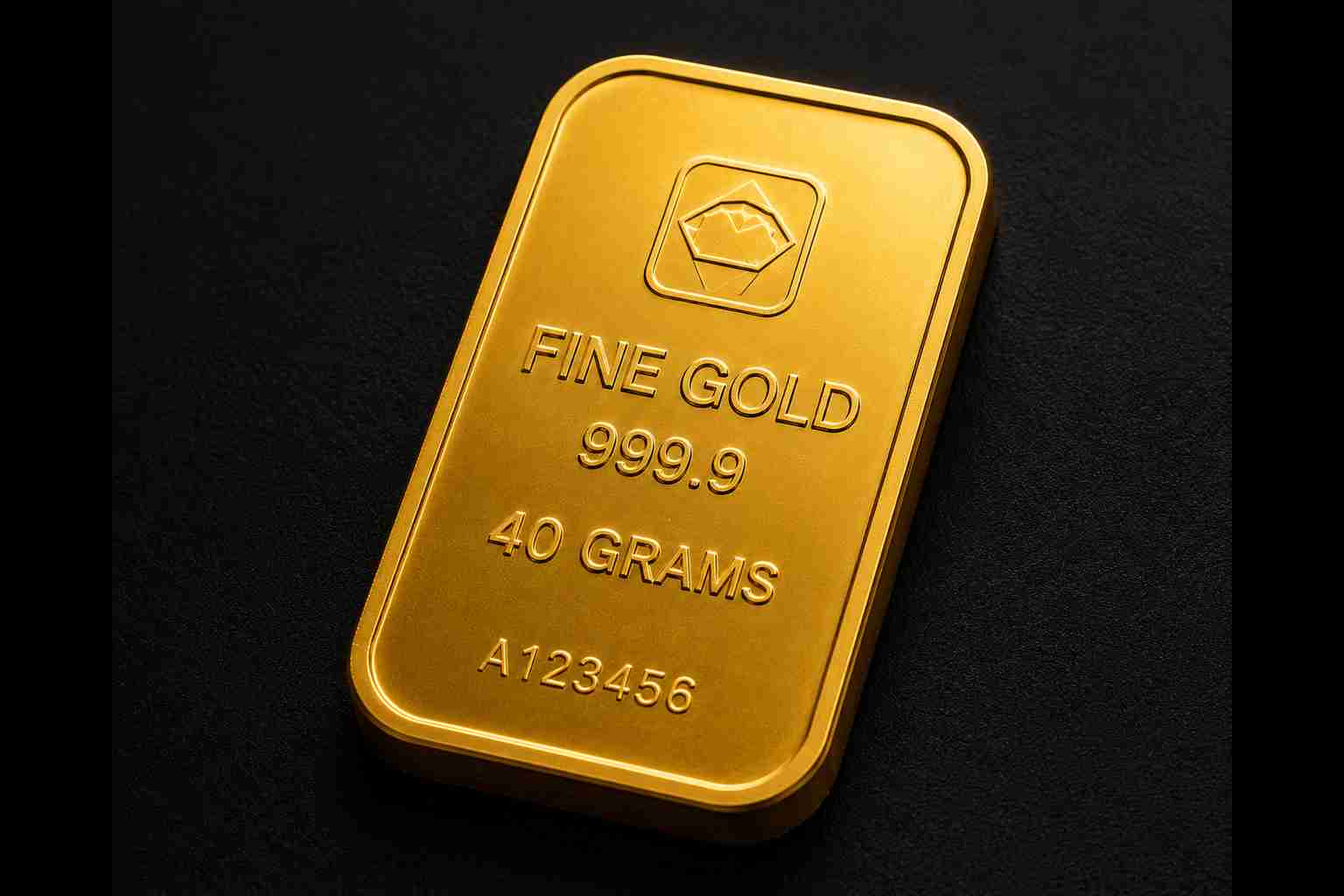
Match every number across every document. The lot or serial number, gross weight, and purity should agree on the assay certificate, the invoice, the packing list, and the marking on the bar itself. A different weight or a lot number with one digit changed is the most common sign of a recycled certificate.
Check the refiner if the bar carries a brand. The LBMA publishes its Good Delivery List of accredited refiners online. If a bar claims a listed refiner, confirm that the refiner appears on the list and ask the refiner how it verifies its own bars. Many honest sellers of dust and doré do not use listed refiners, so absence from the list only tells you the paperwork needs another source of proof.
Read the document itself. Look for a named signatory, a dated report, a lab address, and consistent fonts and spacing. Forgeries often show mixed fonts, blurry logos, or a certificate number that does not follow the lab's normal format. A skilled forger passes this check, so treat it as a filter and never as proof.
How to Check a Certificate of Origin
Start with the issuing authority. Find its official contact details on your own and ask it to confirm that it issued the certificate. Ask the seller for the export permit number as well, and compare the permit's date and quantity with the certificate and the shipment.
The location on the certificate matters as much as the stamp. A certificate that names “Africa” or “West Africa” tells you nothing. A useful certificate names the country and the mine, district, or licensed trading company. If the certificate names a country the seller never mentioned, ask why before you go further.
Our guide on how to import gold legally explains which documents customs officers and banks expect to see alongside the certificate of origin.
Why a Certificate Never Proves What Is Inside the Bar
A certificate describes a sample. It cannot prove that the bar in your hands came from that sample. Fraudsters know this, and the worst cases involve bars that carry a real-looking certificate and a core of a cheaper metal.
Tungsten weighs almost the same as gold, so a weight or density check alone will not catch a tungsten-filled bar. X-ray fluorescence (XRF) testers read only the surface layer, so a gold-plated core can pass. For bars, buyers rely on fire assay of a sample drilled from several points, or on ultrasonic testing, which picks up differences inside the metal.
Send your own sample to a lab you choose, and pay for the test yourself. Hold your payment until the result comes back. A seller who wants money first and testing later is telling you how the deal will end.
Red Flags That Should Stop the Deal
Documents to Request Before You Send Any Money
Collect all six before you talk about price. A serious seller sends them the same day.
What to Do When a Check Fails
Stop the deal and keep every message, file, and payment detail the seller sent you. A failed check does not always mean fraud. A lab may have changed its phone number, or a clerk may have typed a digit wrong. Give the seller one chance to explain in writing, and ask for a corrected document that the issuer confirms directly.
If the seller cannot fix the problem within a few days, walk away. Report attempted fraud to your bank and to the police in your country, and warn your trade contacts. Sellers who fail verification rarely stop after one buyer.
How Africa Aurum Makes Verification Easy
Every shipment we send includes an assay report and a certificate of origin tied to that batch. We expect buyers to check both. For buyers interested in our Refined Gold, the same verification and documentation process helps support a transparent purchase. Our Au Gold Doré Bars are also supplied with the relevant documentation for buyers to review. Ask us which laboratory tested your batch and which authority issued the origin certificate, and contact them yourself before you pay. Send a sample to your own lab if you want a second opinion. This guide will tell you how to verify a gold assay certificate verification: or certificate of origin before you pay
Our purity verification guide explains how the main assay methods compare, and our import compliance guide covers the paperwork customs officers ask for.
Frequently Asked Questions
Yes. Anyone can produce a convincing certificate, which is why a certificate alone never proves the gold is real. Verify it with the issuer and test the gold with an independent lab.
An assay certificate states the gold content of a bar or batch. A certificate of origin states where the gold was mined or exported from. Most gold deals need both.