
How to Verify Gold Purity Before You Buy
Buying gold without verifying purity is like buying a used car without checking the engine. The price might look fine, but you have no real way to know what you're actually getting until it's too late to change your mind.
This guide covers what purity verification actually means, how an assay report works, and what to check before you commit to any gold purchase, whether that's gold dust, doré bars, or refined gold.
Learn how to verify gold purity before buying gold dust, doré, or refined gold from Africa Aurum. What an assay report shows and how to spot a real one.
Buy Gold Dust – We are the leading miner’s wholesale supplier and exporter of Gold Worldwide. We stock gold dust, gold nuggets, raw gold, refined gold, and gold bars.
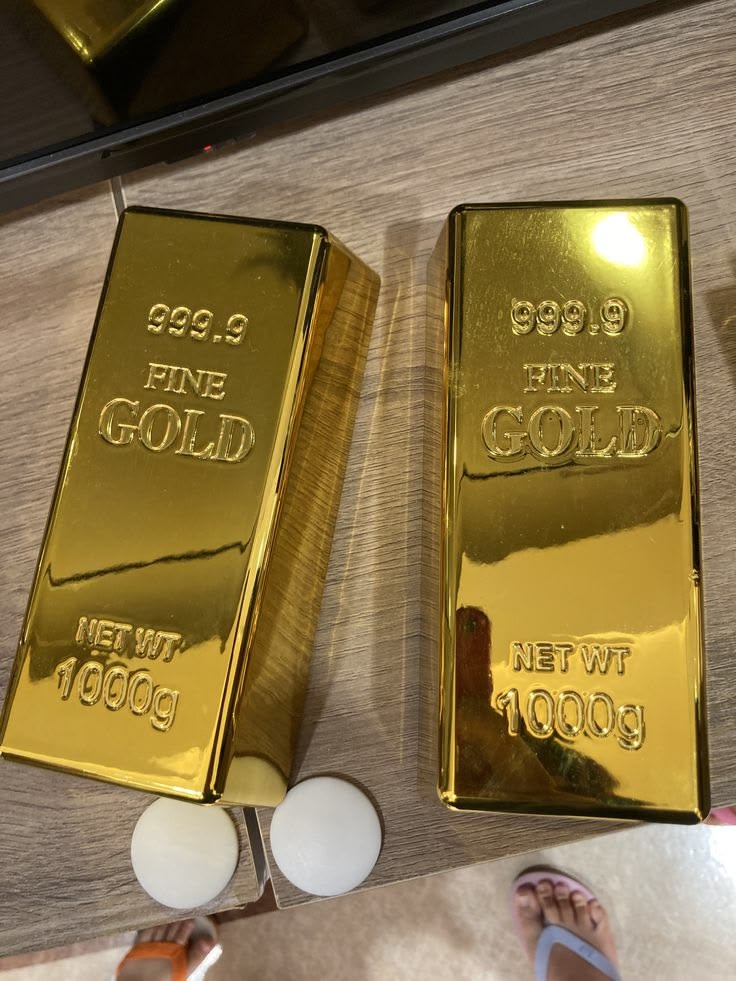
What Gold Purity Actually Means
Purity measures how much of a given weight of material is actual gold, versus other metals mixed in. It's expressed a few different ways depending on the market and the product. Karat measures purity out of 24 parts, so 24 karat is pure gold, 22 karat is roughly 91.6% gold, and 18 karat is 75% gold. Percentage purity states the same thing directly, so 99.5% purity means 995 out of every 1000 grams is gold. Fineness expresses it as a number out of 1000, so 999 fineness matches 99.9% purity.
None of these numbers are visible by looking at the metal. Raw gold dust, doré bars, and even finished gold pieces can look similar to the eye across a fairly wide purity range, which is exactly why verification matters more than appearance.
What an Assay Report Actually Shows
An assay report is a lab test result confirming the actual composition of a specific batch of gold. A real assay report should include a few specific things, and a supplier who can't provide these is asking you to trust a claim instead of verify one.
The exact purity figure — Not a range, not an approximate number, but the tested result for that specific batch.
The testing method used — Common methods include fire assay, X-ray fluorescence, and acid testing, each with different levels of precision. Fire assay is generally considered the most reliable for high-value transactions.
The lab or testing body — A credible assay names the lab that performed the test, ideally one independent from the seller.
A batch or lot identifier — Linking the report to the specific shipment or batch you're buying, not a generic company-wide certificate reused across every sale.
If a document you're handed is missing any of these, ask for the actual data behind it before you treat it as verification.
Common Red Flags When Purity Claims Don't Hold Up
A certificate with no batch identifier. A generic purity certificate that doesn't tie to your specific order proves nothing about what's actually in your shipment. It could describe a completely different batch.
A price that's too good for the claimed purity. Gold trades close to a known global spot price. A price significantly below spot for the purity claimed usually means either the purity claim is false or something else about the transaction isn't legitimate.
Reluctance to provide a sample before a bulk order. A legitimate supplier expects buyers to verify quality before committing to volume. Resistance to a sample request is a signal worth taking seriously.
No named testing lab. An assay that just says “tested for purity” without naming who did the testing or how gives you nothing to independently confirm.
How to Verify Purity Yourself, Not Just Trust a Document
Documentation from a supplier is a starting point, not the only check available to you. If you have real doubts, or you're placing a large order, independent verification adds a second layer of confidence.
Third-party assay testing. You can send a sample to an independent testing lab of your own choosing, separate from anything the seller provides. This costs money and time, but for large orders it's a reasonable expense.
XRF testing on arrival. X-ray fluorescence testing equipment can give a fast, non-destructive purity reading. Many refineries and larger buyers keep this equipment on-site specifically for incoming shipment verification.
Acid testing for a rough check. Acid testing kits give an approximate purity read and can catch an obviously fraudulent claim, though they're less precise than lab methods and shouldn't be the only check for a high-value order.
Cross-checking the batch identifier. If a supplier provides a lot number on their assay report, ask whether that number is traceable back through their own records, not just printed on a document that could describe anything.
How Africa Aurum Handles Purity Verification
Every batch we sell, whether gold dust, doré bars, refined gold, or nuggets, goes through independent purity testing before it ships. The report you receive names the actual tested figure, ties to your specific shipment, and comes from testing carried out separately from the sale itself, not a generic document reused across every customer.
We also support buyers who want to verify independently. If you'd like to run your own testing on arrival, or send a sample to a lab of your choosing before committing to a larger order, we build that into the process rather than treating it as an inconvenience.
Purity Expectations by Product Type
An assay report is a lab test result confirming the actual composition of a specific batch of gold. A real assay report should include a few specific things, and a supplier who can't provide these is asking you to trust a claim instead of verify one.
Gold dust typically runs at 22 karat or higher in our supply, though raw, unrefined material can vary more than finished products. Always check the batch-specific report rather than assuming a flat number.
Gold doré bars generally run between 60% and 90% purity, since doré is a semi-refined gold and silver alloy, not finished pure gold. A doré assay should show both gold and silver content, not gold alone.
Refined gold should test at 99.5% purity or higher, sometimes described as investment grade. Anything claiming refined status below that figure is worth questioning closely.
Gold nuggets vary the most naturally, since they're solid, unprocessed pieces straight from the ground. Purity should still be tested and documented per piece or per batch, not assumed from appearance.
Frequently Asked Questions — How to Verify Gold Purity
Karat measures gold content out of 24 parts, so 24 karat equals pure gold. Purity percentage states the same thing directly, so 99.5% purity means 995 out of every 1000 grams is gold. They describe the same underlying figure in different formats.
Not fully. A generic certificate not linked to a batch or lot number doesn't confirm what's actually in your shipment. Always ask for documentation tied to the specific order you're buying.
Fire assay is generally considered the most accurate method for high-value transactions, though X-ray fluorescence offers a fast, reliable, non-destructive alternative widely used for incoming shipment checks.